EN
EN
 Chinese
 Turkish
 Indonesian
 German
 French
 Spanish
 Portuguese
 Russian
 Italian

Rice Milling Industry in Bangladesh 2026: Market Size, Opportunities, and Future Outlook

Bangladesh is one of the world’s leading rice-producing countries, and the rice milling industry plays a vital role in its agriculture-based economy. This sector is essential not only for ensuring food security but also for generating employment and supporting industrial development. By 2026, the industry is expected to become more modern, technology-driven, and globally competitive.
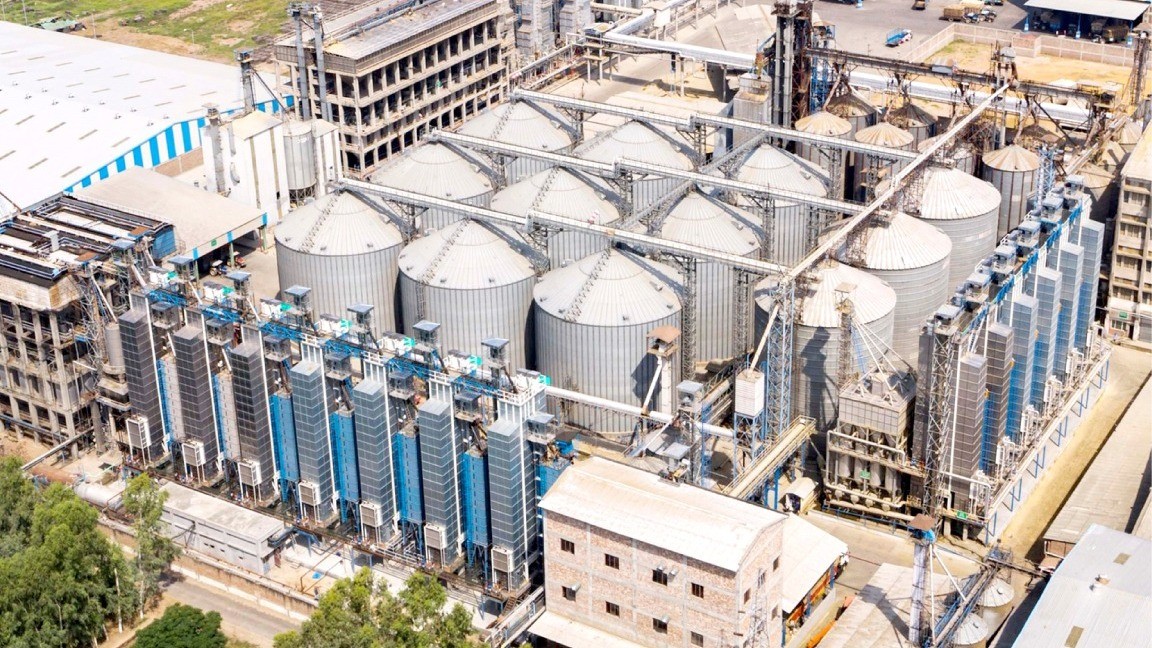
Currently, Bangladesh has more than 17,000 rice mills, including auto rice mills, semi-automatic mills, and traditional husking mills. In recent years, there has been a significant shift toward modern auto rice mills, which have improved production efficiency and rice quality. This transformation is helping the country meet domestic demand while also opening new opportunities in international markets.
The rice milling industry in Bangladesh is considered a fast-growing market. The estimated market size ranges between USD 8 to 10 billion, with an annual growth rate of approximately 6% to 8%. The country consumes around 35 to 38 million tons of rice annually, and this demand is expected to increase further due to population growth and rising food requirements.
Technological advancement is a key driver of this industry’s future. By 2026, the adoption of modern technologies such as color sorting machines, automatic packaging systems, grain drying technology, and IoT-based smart milling systems is expected to increase significantly. These innovations will enhance productivity, reduce operational costs, and improve product quality to meet international standards.
From an international business perspective, Bangladesh’s rice milling sector has become an attractive market. Chinese machinery manufacturers, in particular, have strong opportunities to expand their presence. At the same time, companies from India, Turkey, Canada, and other EU countries are also showing increasing interest in supplying technology and equipment.
Despite its growth, the industry faces several challenges, including the continued use of outdated technology, a shortage of skilled labor, and supply chain inefficiencies. Addressing these issues will require greater adoption of automation, investment in skill development, and supportive government policies.
Looking ahead, the rice milling industry in Bangladesh is expected to undergo significant transformation by 2026. The introduction of smart factory systems, export-oriented production strategies, and international standard processing facilities will position Bangladesh as a key rice processing hub in South Asia.
Investing in this sector at present can be a strategic decision, given its rapid growth, high demand, and strong international potential. For businesses involved in grain, feed, and milling technology, this represents a valuable opportunity to expand and establish a presence in a growing market.
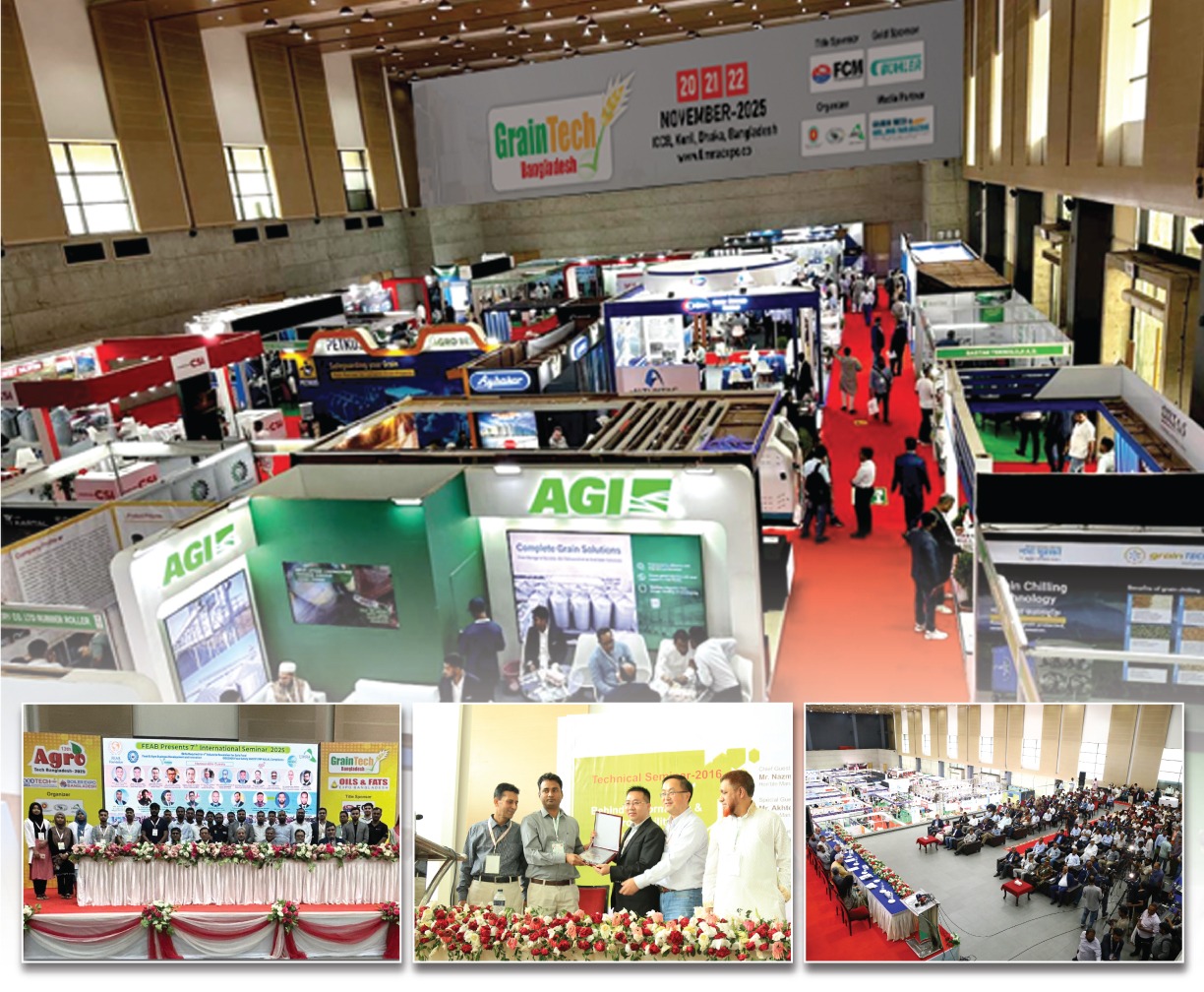
In this context, international exhibitions and trade platforms play a crucial role in connecting industry stakeholders. Participating in events like 14th Grain Tech Bangladesh enables companies to meet international buyers, build distributor networks, and showcase the latest technologies, ultimately supporting business expansion. for registration visit the link
In conclusion, Bangladesh’s rice milling industry is on track to become a modern, technology-driven, and globally competitive sector by 2026. With the right investments, advanced technologies, and international collaboration, the industry is well-positioned to reach new heights in the coming years.
About the Author